AI Agent - LLM Basic
TopK, TopP, and Temperature
在语言模型(LLM)的生成过程中,“采样”指的是模型在预测下一个词语时,如何从多个可能候选中进行选择的机制。与其说采样仅仅是挑出概率最高的那个词,不如理解为它通过不同的策略(如 Top-K、Top-P 以及 Temperature 调节)在确定性与随机性之间取得平衡。这样做的目的,是在保持语义连贯的同时,引入一定的不确定性,使生成的文本更符合人类语言的自然性与多样性,从而激发更丰富、更具创造力的表达。
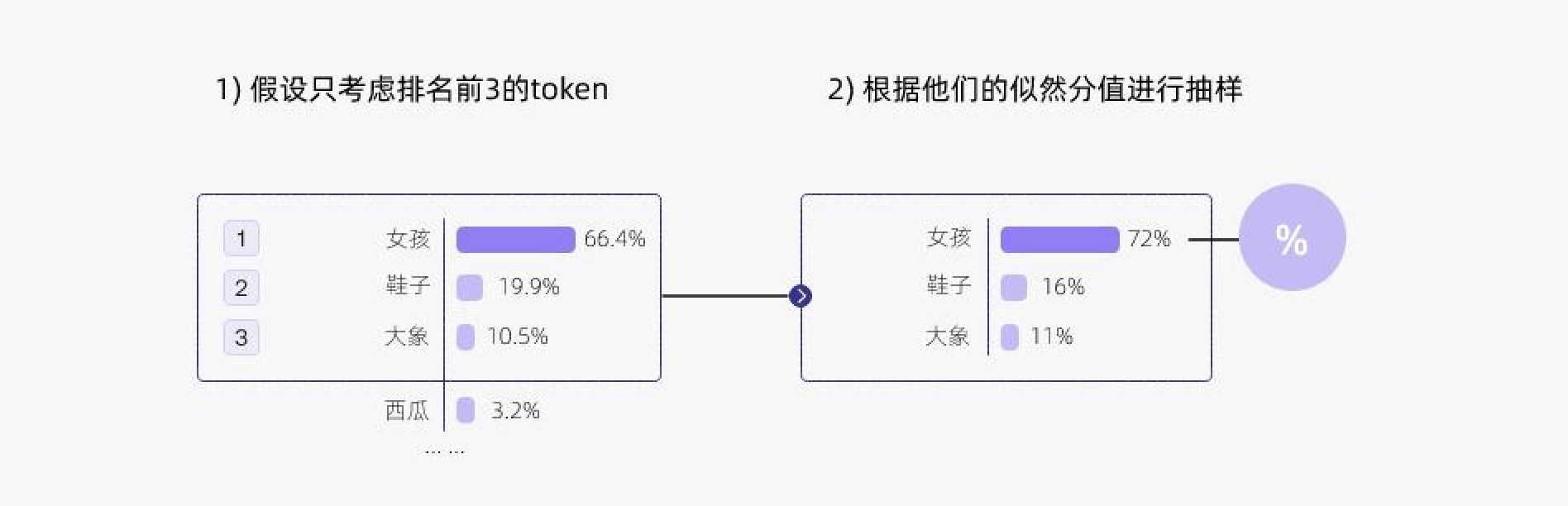
TopK
- 取前k个候选词,做概率采样
- 优点
- 结构清晰与可控
- 降低噪声输出
- 缺点
- 缺乏自适应能力。过大的K会引入低相关度的词
- 过小的K抑制创造性
TopP
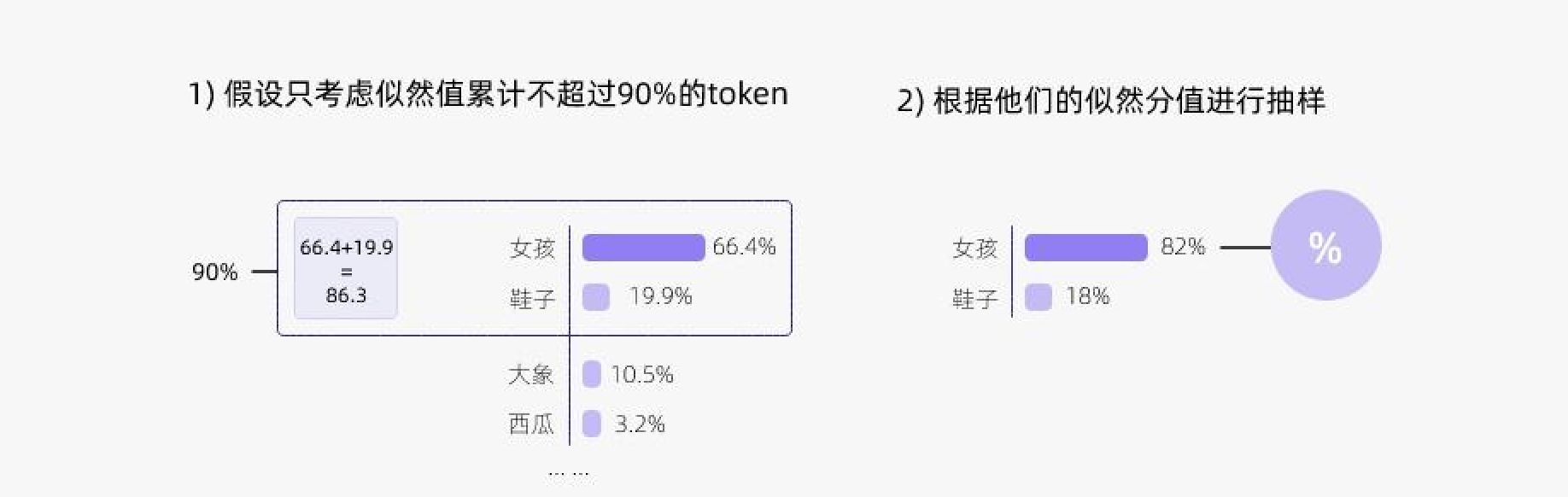
- 只从累积概率超过某个阈值P的最小单词集合中进行采样,不考虑低概率的词。
- 也被称为核采样(nucleus sampling),top-p 值通常设置为比较高的值(如0.75),目的是限制低概率 token 的长尾。
- 更好地平衡生成的多样性和质量。
Temperature
- 受统计热力学的启发,高温意味着更可能遇到低能态。
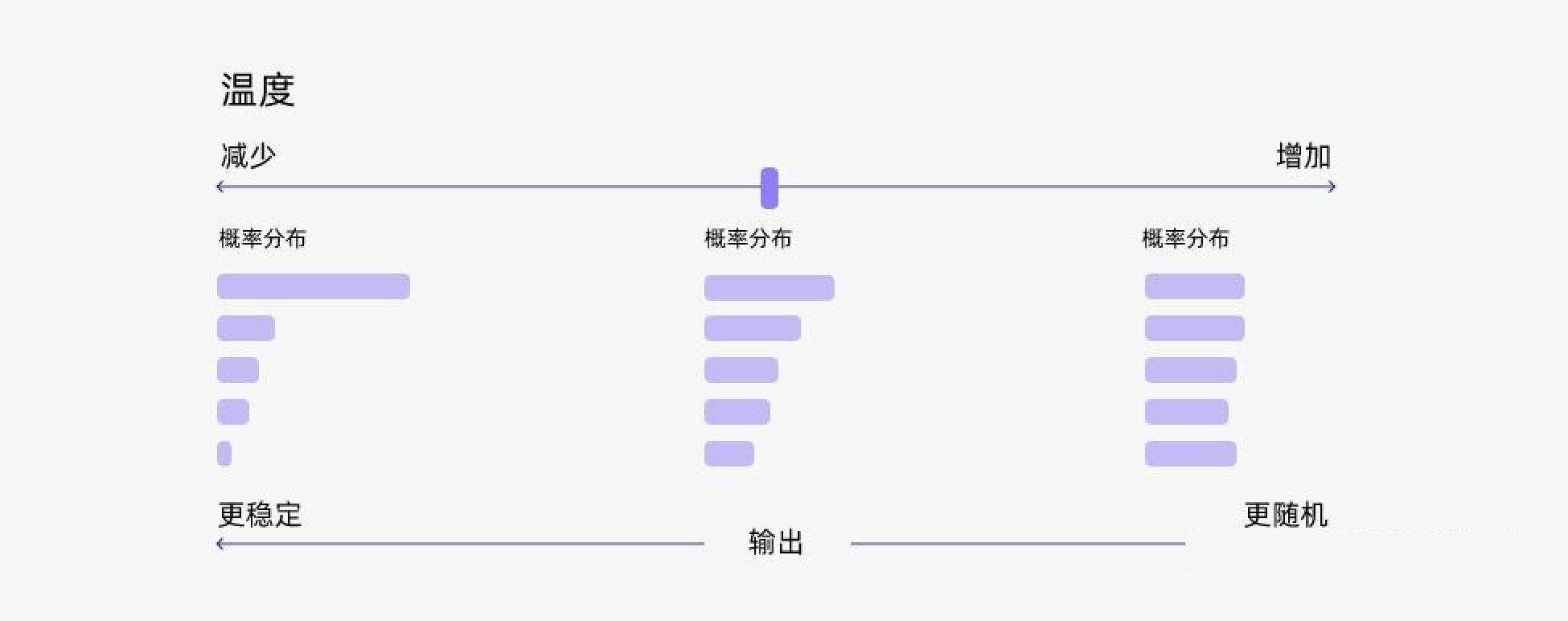
- 越低的温度使模型对其首选越有信心,而高于1的温度会降低信心。
- 温度只是调整单词的概率分布。
- 0温度相当于 argmax 似然,而无限温度相当于均匀采样。在较低的温度下,我们的模型更具确定性,而在较高的温度下,则不那么确定。
联合采样(top-k & top-p & Temperature)
在实际应用中,温度常与 Top-K、Top-P 联合使用,以便同时兼顾随机性控制和候选筛选
- 最后通过temperature,控制创造力水平,调整整体概率分布。温度为1时是原始概率分布。
- 先topk筛选,限制候选词数量。
- 然后在有限的词中应用topp采样,动态调整词汇集合。
temperature = 0.8   # 控制创造力水平
top_k = 50          # 限定候选词数量
top_p = 0.9         # 限定概率覆盖率
Chatgpt API 实际应用
chatgpt api支持调整temperature和top_p,一般只推荐调整一个,而不是同时调整来个。
- temperature: What sampling temperature to use, between 0 and 2. Higher values like 0.8 will make the output more random, while lower values like 0.2 will make it more focused and deterministic.
- 0.1~0.5是低温
- 0.5~1是中温
- 1.1~1.5是高温
- top_p: An alternative to sampling with temperature, called nucleus sampling, where the model considers the results of the tokens with top_p probability mass. So 0.1 means only the tokens comprising the top 10% probability mass are considered.
We generally recommend altering this or temperature but not both.
实际调整TopP和temperature为0为什么还是随机的?
- moe架构有固有的不确定性的
Reference